Why Sustainable Tourism in Australia is Crucial for Global Conservation Efforts
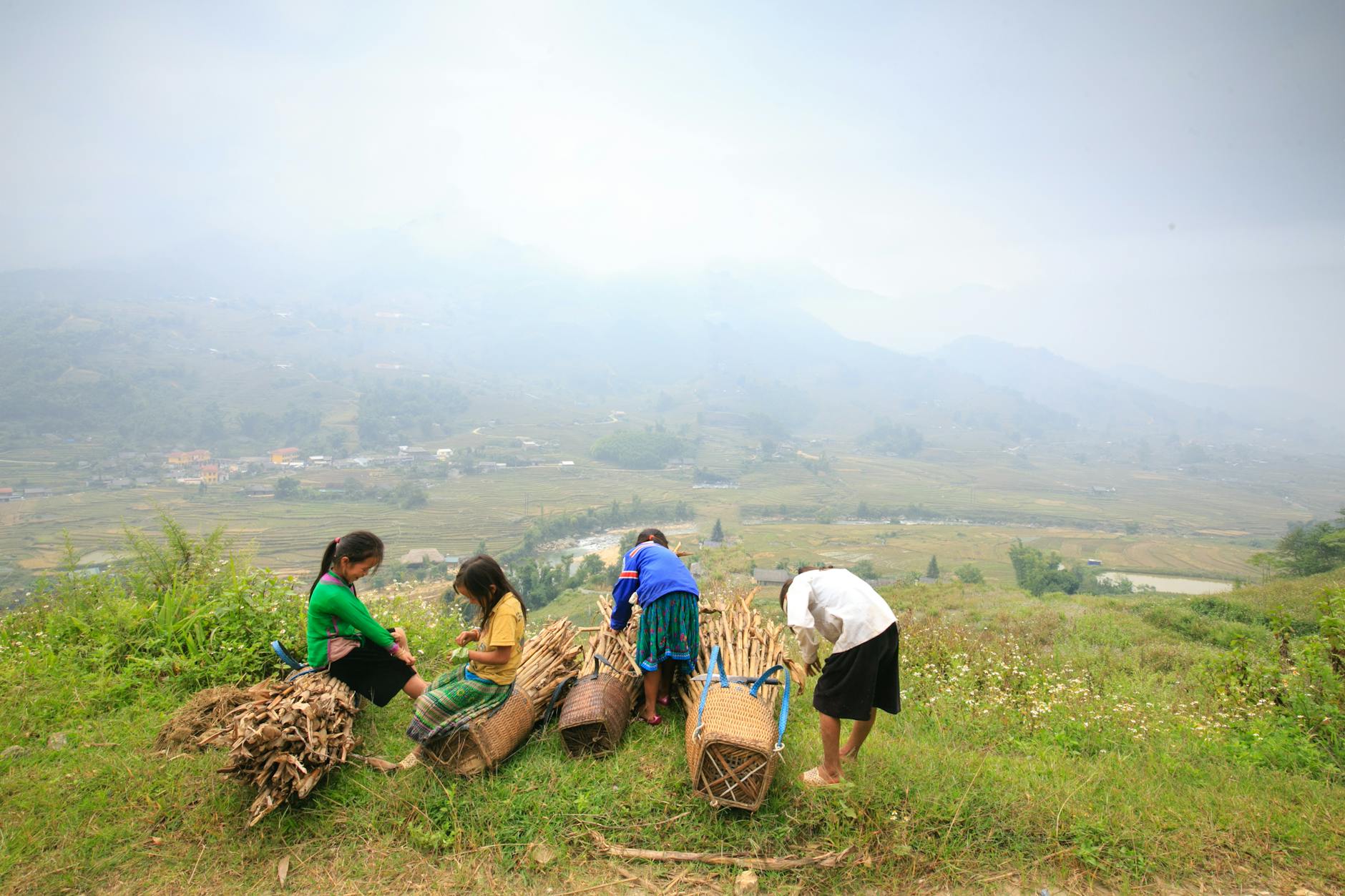
Australian Ecosystems and Tourism
Diverse Landscapes Overview
In Australia, the tapestry of landscapes ranges from arid deserts to rainforests, each supporting a rich tapestry of life. These diverse ecosystems offer vivid opportunities for eco-travellers seeking to understand environmental intricacies. Locales like the arid outback contrast starkly with lush settings such as the Daintree Rainforest, making eco-travel not just appealing but essential for understanding different biomes. Here, in Melbourne, the Royal Botanic Gardens offer a snapshot of this biodiversity, showcasing native flora that plays a crucial role in local ecosystems.
Eco-tourism offers a gateway for Africa tours enthusiasts to appreciate how similar principles apply globally. Observational experiences in places like Patagonia and Namibia teach us about sustainability in various environmental conditions. Whether it’s understanding the desert landscapes of Namibia or exploring the glacial terrains of Patagonia, the lessons learned can be mirrored within Australia’s own unique settings.
The integration of eco-conscious initiatives, much like those unfolding in Namibia safaris and Patagonia tours, provides a model for balancing tourism and conservation. By learning and sharing knowledge across continents, we can foster practices that safeguard delicate ecosystems from unnecessary harm. These tours underscore the significance of targeted conservation efforts, such as those I advocate in my own work, both abroad and within Australia's expansive wilderness. Safeguarding these treasures allows future generations to marvel at their beauty, learning from them and preserving their intricate ecosystems.
Impact of Tourism on Ecosystems
Habitat Disruption
As a conservation biologist, I've witnessed the delicate balance ecosystems maintain. One of the most significant concerns with tourism, particularly in sensitive areas like those explored through Patagonia tours, is habitat disruption. The influx of tourists can lead to the deterioration of natural landscapes, as infrastructures such as roads and accommodations are often expanded to accommodate visitors. In the Melbourne Wildlife Sanctuary, for example, we ensure that infrastructure development aligns with environmental guidelines to mitigate such impacts.
Species at Risk
Tourism can also pose a direct threat to species, especially those that are already vulnerable. Increased human presence can lead to wildlife becoming habituated to human interaction, which can be detrimental to their behaviour and survival. In some cases, this leads to endangerment, as animals lose their natural instincts for self-preservation or reproduction. Our work often draws parallels with regions beyond Melbourne, including those highlighted during Africa tours, where careful monitoring and education are needed to minimize wildlife disturbances.
Pollution and Waste
Tourism can escalate pollution and waste production. Large tourist groups produce waste that local ecosystems may not be equipped to manage, leading to litter that harms wildlife and contaminates waterways. It reminds me of the practices we promote at the Port Phillip EcoCentre, where we focus on sustainable waste management to protect marine biodiversity. Education and eco-friendly practices can help travelers make conscious choices, reducing their ecological footprint while enjoying these beautiful landscapes.
Principles of Sustainable Tourism
Conservation-Focused Practices
In my role as a wildlife conservation biologist, I often emphasise the importance of conservation-focused tourism practices. Sustainable tourism should aim to protect habitats without compromising the environment’s integrity. Initiatives like the Namibia safari illustrate how strategic park management and eco-friendly accommodation can preserve natural ecosystems. Adopting similar models, such as limited-access zones and guided tours by trained naturalists, helps reduce ecological footprints and increase awareness about the delicate balance of our ecosystems.
Community Involvement
Community involvement is an essential element of sustainable tourism. Engaging local populations in the tourism process ensures that they benefit economically while fostering environmental stewardship. For instance, engaging communities around Melbourne Wildlife Sanctuary has led to improved conservation outcomes and local economic upliftment. Tour operators should partner with community leaders to develop initiatives such as eco-tourism training programs, which empower locals to become advocates for conservation. This approach supports both environmental and socio-economic goals, creating a symbiotic relationship between tourists and local communities.
Educational Travel Initiatives
Educational travel initiatives provide tourists with enriching experiences that extend beyond traditional sightseeing. Integrating education into travel itineraries enhances visitor understanding of environmental challenges and solutions. Learning opportunities can range from guided wildlife observations to immersive workshops on sustainability practices. At places like Port Phillip EcoCentre, educational tours have proven effective in fostering environmental responsibility among visitors. When tourists return home, they carry with them new insights that inspire more sustainable living habits, thereby multiplying the positive impact of their travels.
Global Conservation Travel Insights
Exploring Conservation in Patagonia and Namibia
The pristine environments of Patagonia and Namibia present conservation challenges that require immediate attention. Both regions are renowned for their unique biodiversity and breathtaking landscapes, making them prime destinations for eco-travel enthusiasts. Patagonia tours offer unparalleled opportunities for exploring vast steppes and lush forests teeming with wildlife. Venture into Patagonia's staggering beauty with a focus on its ecological preservation, ensuring that each journey minimally impacts the fragile landscapes.
Namibia, with its stark desert landscapes and diverse wildlife, provides another remarkable setting for Africa tours. Engaging in a Namibia safari can significantly enhance our understanding of how desert ecosystems function. Observing animals like the resilient desert-adapted elephants offers valuable insights into species survival amid adversity. It is vital that these tours promote sustainable practices, echoing the values of ecolodges that minimize water usage and support local communities.
Supporting Sustainable Initiatives
Engagement in sustainable tourism during these travels is paramount. Aligning travel practices with initiatives that reduce carbon footprints can mirror the successful efforts of local conservation areas such as the Royal Botanic Gardens, the Melbourne Wildlife Sanctuary, and the Port Phillip EcoCentre. These body efforts focus on habitat restoration and community involvement, aiming for harmony between humans and nature.
In conclusion, joining hands with conservation-focused Africa tours not only enriches our travel experiences but also propels us towards a more sustainable future. Let us empower one another to uphold our beautiful planet’s integrity, ensuring these destinations remain as mesmerizing and vibrant for future generations.